
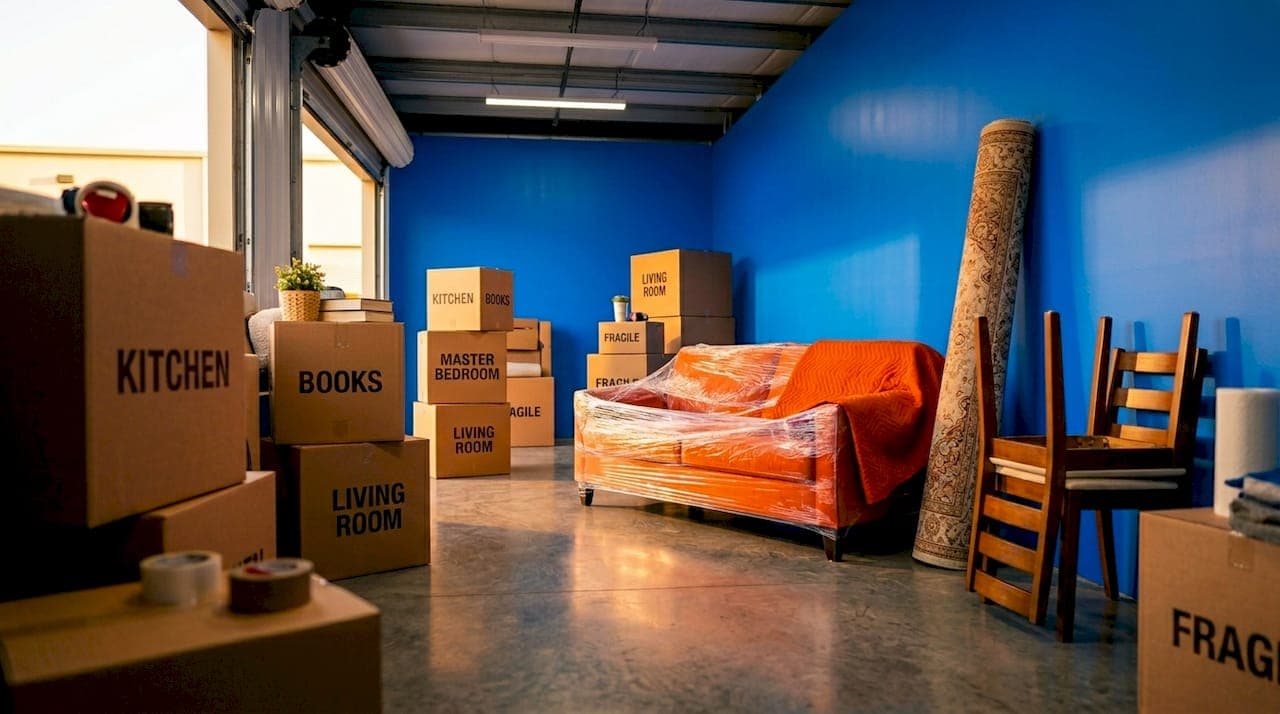
A full household storage unit is a single self-storage space large enough to hold most or all the belongings from a typical 3- to 5-bedroom home, generally sized between 10'x20' and 10'x30'. Families and individuals rent these units during moves, home renovations, temporary relocations, or extended travel when clearing out an entire residence becomes necessary. The industry term for this category is "large-format self-storage," though most people search for it as a full household unit. Rentbigstorage offers several of these large unit sizes across its Mississippi Gulf Coast facilities, making it a practical option for local families who need reliable, flexible household storage solutions.
What is a full household storage unit and what sizes fit your home?
Large storage units sized 10'x20' to 10'x30' are the standard range for storing full household contents, with each size matching a different home footprint. Choosing the wrong size is the most common and most expensive mistake renters make. Getting this right from the start saves you money, protects your belongings, and eliminates the frustration of a second trip to rent a bigger unit.
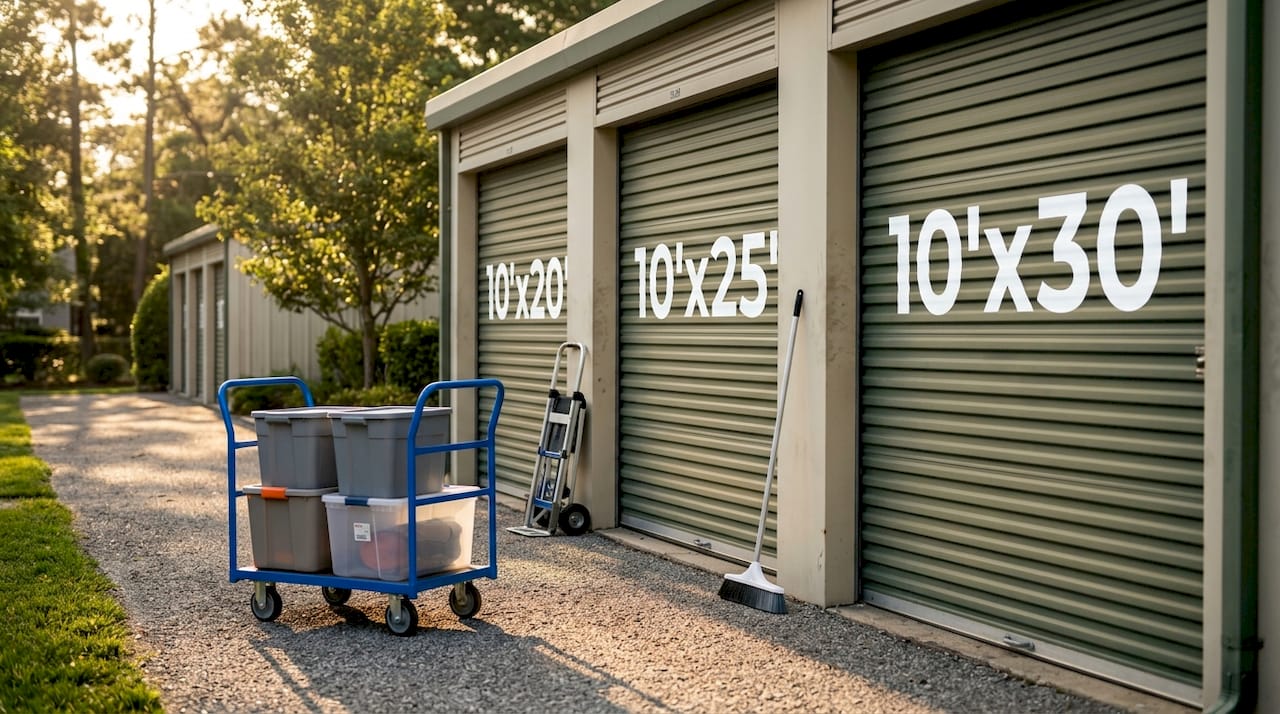
Here is how the three most common large unit sizes compare:
| Unit Size | Square Footage | Best Fit | Example Items |
|---|---|---|---|
| 10'x20' | 200 sq. ft. | 2 to 3 bedroom home | Furniture, appliances, boxes, one-car garage contents |
| 10'x25' | 250 sq. ft. | 3 to 4 bedroom home | Full living room sets, multiple bedroom sets, garage items |
| 10'x30' | 300 sq. ft. | 4 to 5 bedroom home | Entire household plus vehicle or contractor equipment |
A 10'x30' unit is roughly the size of a two-car garage, which means you can walk inside comfortably and still have room to organize. That scale makes it the go-to choice for large families, long-term storage situations, or anyone storing business inventory alongside household goods.
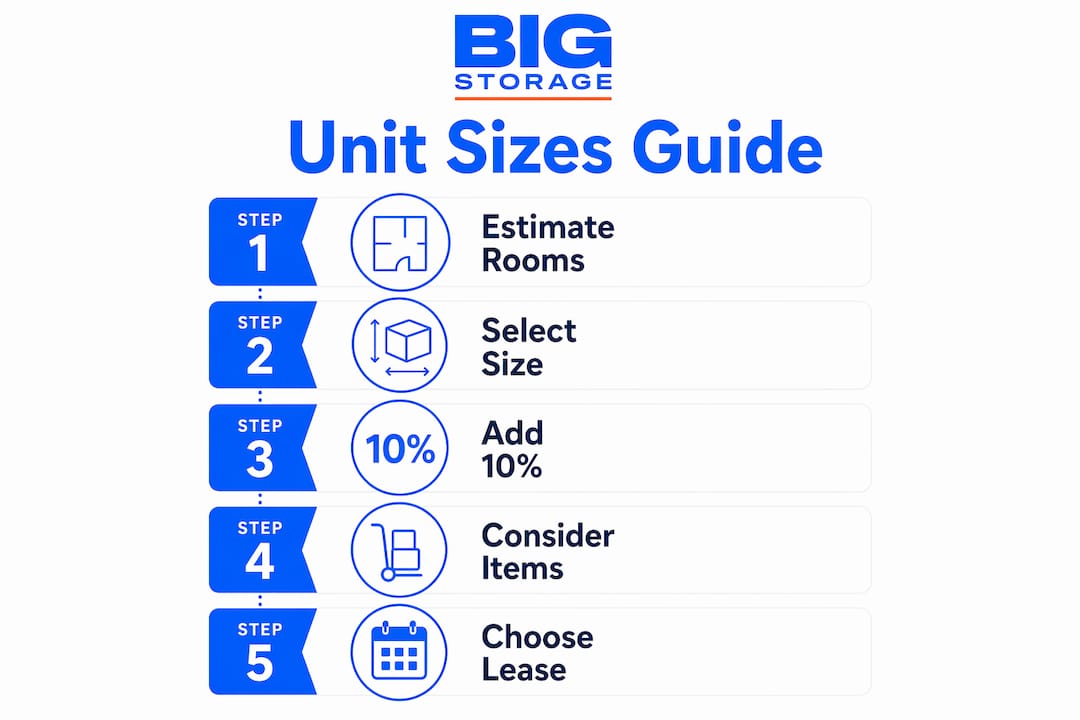
Beyond square footage, three factors should drive your size decision. First, consider whether you are storing a vehicle, a riding mower, or large contractor equipment, since those items consume space fast. Second, think about duration. Long-term storage often means adding items over time, so building in extra room pays off. Third, factor in accessibility. A unit you can walk through is far easier to manage than one packed wall to wall.
Pro Tip: When estimating your unit size, add 10% to your initial calculation. Most people underestimate how much space furniture and appliances actually take once they are inside a unit.
What can you store in a full household storage unit?
Typical household items like furniture, clothing, electronics, appliances, and seasonal decor are accepted at virtually every self-storage facility without issue. The list of prohibited items is shorter than most people expect, but the consequences of ignoring it are serious.
Items you can store without restriction:
- Sofas, beds, dressers, dining sets, and other furniture
- Boxed clothing, linens, and bedding
- Televisions, computers, and small electronics
- Washers, dryers, refrigerators, and other appliances
- Seasonal decorations, holiday items, and sports equipment
- Artwork, mirrors, and framed photos (properly wrapped)
- Bicycles, outdoor furniture, and garden tools
Items that are strictly prohibited at most facilities:
- Gasoline, propane, paint, fertilizers, and other flammables
- Explosives, ammunition, and firearms (in most states)
- Food, perishables, and live plants
- Toxic chemicals, pesticides, and cleaning solvents
- Illegal substances or stolen property
Hazardous materials like gasoline and propane are banned because improper storage can cause fires, poisonings, and environmental damage. These restrictions are not arbitrary. They protect every tenant in the facility, not just the person renting the unit.
"Experts warn against trying to store hazardous or flammable household products despite unit size. Safety policies are strict and non-negotiable." — What You Can't Store in a Self-Storage Unit
Food and plants are also prohibited because they attract pests. A single bag of birdseed or a potted plant left behind can introduce insects or rodents that damage every unit in the building. Before you pack, go through your household items and set aside anything that falls into a prohibited category. Dispose of old paint cans, drain fuel from lawn equipment, and donate or discard perishables.
Climate-controlled units are worth considering for electronics, wooden furniture, vinyl records, artwork, and documents. Temperature and humidity swings common in coastal Mississippi can warp wood, crack leather, and corrode metal over a single summer.
Pro Tip: Drain all fuel from lawn mowers, generators, and power tools before storing them. Even a small amount of residual gasoline qualifies as a prohibited flammable and can void your rental agreement.
What rental terms should you expect for full storage units?
Month-to-month leases are the most common rental structure at self-storage facilities, and they are the right choice for most families navigating a move or renovation. Month-to-month storage rentals renew every 30 days with short notice periods, which means you are never locked into a timeline that no longer fits your situation.
Here is what to look for when reviewing a storage rental agreement:
- Notice period. Most facilities require 10 to 30 days written notice before you vacate. Missing this window can trigger an additional month's charge, so mark the date on your calendar the day you sign.
- Late payment policies. Understand the grace period and the fee structure. Some facilities move quickly to lien procedures if payment lapses, which can complicate access to your belongings.
- Rate increase clauses. Month-to-month leases allow facilities to adjust rates with proper notice. Ask about historical rate changes before committing.
- Access hours. Confirm whether 24-hour access is included or costs extra. For families in the middle of a move, restricted access hours create real logistical problems.
- Insurance or tenant protection requirements. Some facilities require proof of coverage. Others offer their own tenant protection plans as an add-on.
Failing to vacate on time can lead to liens and additional costs that catch renters off guard. Read the agreement carefully before you sign, and ask the facility manager to walk you through any clause you do not fully understand. A good facility will do this without hesitation.
Long-term leases occasionally offer a discounted monthly rate, but they make sense only when your storage timeline is certain. For most moves and renovations, the flexibility of month-to-month outweighs any small discount.
How to pack and organize a full household storage unit
Packing a large storage unit well is the difference between a space you can actually use and a chaotic pile you dread opening. Stackable bins, shelving, and labeled containers are the three tools that professional organizers consistently recommend for maximizing space and protecting stored goods.
Packing and organization strategies that work:
- Disassemble large furniture. Remove legs from tables, take apart bed frames, and stack mattresses vertically against the wall. This alone can free up 20% more floor space.
- Use uniform box sizes. Boxes of the same dimensions stack cleanly and safely. Mixing sizes creates unstable towers that collapse and damage items underneath.
- Place heavy items on the bottom. Appliances, toolboxes, and book boxes go on the floor. Lighter items like bedding and clothing boxes go on top.
- Install freestanding shelving. Metal wire shelving units from brands like Gladiator or Rubbermaid let you use vertical space and keep smaller items off the floor, which protects them from moisture.
- Label every box on the side, not the top. When boxes are stacked, you can only see the sides. A label on the top is invisible and useless.
- Create a center aisle. Leave a walking path down the middle of the unit so you can reach items at the back without unloading everything in front.
- Store frequently needed items near the door. Seasonal items, tools you might need during a renovation, and documents you may reference should be within arm's reach.
For bulky items like sofas and refrigerators, drive-up storage units eliminate the need to carry heavy furniture through hallways or up stairs. This matters more than most people realize on moving day when fatigue sets in.
Pro Tip: Take a photo of your unit layout before you close the door. A quick snapshot on your phone becomes an invaluable reference when you need to find something three months later without unpacking everything.
Key takeaways
A full household storage unit is a large-format self-storage space, typically 10'x20' to 10'x30', designed to hold the entire contents of a 3- to 5-bedroom home during a move, renovation, or relocation.
| Point | Details |
|---|---|
| Match unit size to home size | A 10'x20' fits 2 to 3 bedrooms; a 10'x30' fits 4 to 5 bedrooms plus a vehicle. |
| Know what you cannot store | Hazardous materials, food, plants, and flammables are prohibited at all facilities. |
| Choose month-to-month leases | Flexible 30-day renewals protect you when timelines are uncertain during moves or renovations. |
| Pack with a plan | Disassemble furniture, use uniform boxes, label sides, and leave a center aisle for access. |
| Read the rental agreement | Notice periods and late fees catch renters off guard; review every clause before signing. |
Why size estimation is the decision most families get wrong
I have reviewed enough storage situations to say with confidence that underestimating unit size is the single most common and most avoidable mistake families make. People look at their living room and think "10'x20' is plenty." Then they forget the garage, the attic, the shed, and the three closets they have not opened in two years.
The second mistake I see regularly is ignoring prohibited items until moving day. Someone packs a can of spray paint or a propane tank into a box without thinking, and the facility turns them away at the gate. That is a stressful, expensive problem on an already stressful day. Sort your prohibited items out at least a week before your move date.
On rental terms, I would always recommend month-to-month over a fixed lease unless you have a hard end date you are certain about. Renovations run long. Closings get delayed. Life does not follow the schedule you wrote in January. The flexibility of a 30-day renewal is worth more than any discount a long-term lease offers.
One more thing worth saying: talk to the facility staff before you rent. A good storage facility will help you choose the right unit size, walk you through the agreement, and tell you exactly what is and is not allowed. If the staff cannot answer basic questions clearly, that tells you something important about how they will handle problems later.
— James
Store your whole household at Rentbigstorage
Rentbigstorage operates multiple facilities across the Mississippi Gulf Coast, with large units sized to fit full households from 2-bedroom apartments to 5-bedroom homes. Whether you are mid-move, waiting on a closing date, or clearing out during a renovation, Rentbigstorage offers month-to-month rental terms with no long-term commitment required. Drive-up access at locations like BIG Storage on Commerce Street and BIG Storage in Gulfport makes loading bulky furniture straightforward. Online rental and payment options mean you can get started without a phone call. Browse all Rentbigstorage locations to find the facility closest to you and get a unit that fits your household today.
FAQ
What is a full household storage unit?
A full household storage unit is a large self-storage space, typically 10'x20' to 10'x30', designed to hold the entire contents of a 3- to 5-bedroom home. Families use these units during moves, renovations, and temporary relocations.
What size storage unit do I need for a full household?
A 10'x20' unit fits a 2- to 3-bedroom home, a 10'x25' fits a 3- to 4-bedroom home, and a 10'x30' fits a 4- to 5-bedroom home with room for a vehicle. Add 10% to your estimate to account for items you may have overlooked.
What items can I not store in a storage unit?
Most facilities prohibit hazardous materials including gasoline, propane, paint, fertilizers, and explosives, along with food, live plants, and illegal items. These restrictions exist because improper storage of flammables and toxics creates fire and safety risks for all tenants.
Is month-to-month storage better than a long-term lease?
Month-to-month storage is the better choice for most families because it renews every 30 days and requires only 10 to 30 days notice to vacate, avoiding penalties when timelines shift. Long-term leases offer discounts but only make sense when your storage duration is certain.
How do I maximize space in a large storage unit?
Disassemble furniture, use uniform stackable boxes, install freestanding shelving, and leave a center aisle for access. Label boxes on the sides rather than the tops so items remain identifiable when stacked.